The Independent Ear

From Brubeck to SFJAZZ… traveling west with Simon Rowe

Simon Rowe
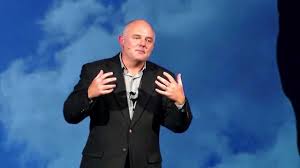
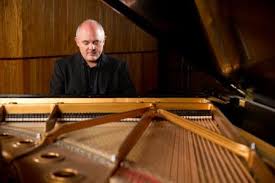
Simon Rowe is a facile pianist from Australia who, after years on the St. Louis scene where he worked frequently with the late local tenor sax legend Willie Akins, has been directing the Dave Brubeck Institute program at the University of Pacific in Stockton, CA. I had the great privilege and pleasure of twice participating in humanities programs there as part of their annual festival, once on a collaboration with friend and jazz journalist colleague Howard Mandel and NEA Jazz Master Gunther Schuller, both times with friend and jazz author Ashley Kahn. On each occasion Simon Rowe was our informative and gracious host; clearly here was a man who had found a welcoming, fertile home.

One thing about working in this music, those of us in administrative positions are always up for new challenges on behalf of jazz. So, though he always seemed firmly entrenched at Brubeck, it was no surprise when Simon wrote excitedly to tell me about his latest jazz education venture, one which will take him slightly west to the San Francisco Bay Area; but after learning more, clearly this was a green pasture Simon simply had to pursue. In what will be a new component of the ever-ambitious SFJAZZ organization, as Randall Kline and company continue to spread the SFJAZZ center’s tentacles in search of new ways to serve the music, in this case a partnership with the San Francisco Conservatory; Simon Rowe is headed to San Francisco. Clearly a few questions were in order for Simon.

How did this partnership between the San Francisco Conservatory of Music and SFJAZZ develop?
I believe that Randall Kline, founder and Artistic director of SFJAZZ had envisioned this potential partnership for some years.
When David Stull, former Dean of Oberlin Conservatory of Music was recruited as President of SFCM two years ago, Randall approached David and together they perceived the huge benefits to both organizations of establishing a “Roots, Jazz and American Music” Program……. and the wheels began to turn.

Somewhat in the manner of how Juilliard adopted its jazz studies program in conjunction with Jazz at Lincoln Center, does this new jazz studies effort mark a new turning point for the Conservatory, and what do you suppose inspired the Conservatory to take this on?
I believe that David Stull has an expansive vision for what arts education in the 21st century should look like. High level performers need to embrace art from many vantage points… as advocates, innovators, entrepreneurs and citizens. A program in jazz studies allows students to pursue these values while embracing a music that is woven into the fabric of American (and world) culture, now for more than a century. Simply put, a music Conservatory that strives to be contemporary must create opportunities for artistry across many genres, expanding beyond the realm of Western European traditions.

It sounds like you will be developing a brand new curriculum for the Conservatory. What do you envision as some of the essential key elements of that curriculum?
I am still garnering input from many of our finest leaders in education, but some of the values to be pursued are as follows:
A strong emphasis on the small ensemble experience, using this ensemble as a laboratory for the development of concepts in improvisation,repertoire,composition etc. An innovative approach to the teaching of musicianship,theory and ear-training, focusing on the acquisition of skills and knowledge directly applicable to the contemporary improvising jazz musician. An Afro-centric approach to the learning of music history, embracing the influence of music and culture as it moved out of Africa and into folk music around the world (from Cuba through the Caribbean and into South and North America)

You have suggested that, inspired at least in part by the Randy Weston autobiography “African Rhythms,” you will be thinking more “holistically” about this project. How did that book affect your thinking on these matters and what’s your sense of this curriculum being developed along more holistic lines?
I was very taken with Randy Weston’s story, recounting the evolution of his understanding of Jazz Music as a result of his exposure to sacred African music and culture. I believe that jazz music at its best retains these roots and becomes a type of “secular church” in our modern global culture. I am convinced that “the music” should be taught with this orientation and perspective so that a young jazz musician might understand the ways in which African influences have manifested themselves in cultures around the world during the last four centuries, whether in Cuba or Brazil or… in New Orleans.

The press release on your appointment suggests that San Francisco Conservatory students “will have the opportunity to hone their craft directly with members of the SFJAZZ Collective.” Ideally how will the SFJAZZ Collective musicians be engaged in your program?
The SFJAZZ Collective will be involved as core faculty in the RJAM (Roots,Jazz and American Music) program and will be involved in all types and levels of learning within the program. We are also hoping to plan some side by side performance opportunities.
[Editor’s note: There’s a nice bit of synergy at work here: the new Pres of San Francisco Conservatory arrived at his post from Oberlin College, whose jazz faculty boasts the brilliant trombonist Robin Eubanks, also a longtime member of the SFJAZZ Collective.]

What did you learn from your Brubeck Institute experience that will positively affect your work on this Roots, Jazz and American Music project?
Over the last five years at The Brubeck Institute, I have had the pleasure of working with some of the most talented young jazz musicians in the country at the High School and College levels. I believe that I have a good understanding towards developing an approach rooted in strong fundamentals, yet flexible and challenging enough to nurture unique sensibilities within the individual.
It is important to find this balance and to foster a community learning environment that supports affection, trust and courage between peers and towards and among faculty… on and off the stage.
Simon Rowe 1

What lessons have you learned from your experience as a performing jazz artist that you hope to bring to this new work?
I believe that the same human qualities that one experiences in a high-level ensemble… respect, trust, humor, courage, admiration, affection, tolerance, patience, integrity, etc. are necessary ingredients in any communal learning environment… on the stage or in the classroom.
Posted in General Discussion | 1 Comment

Interviewing Miles

Relaxin' with Miles Relaxin’ with Miles

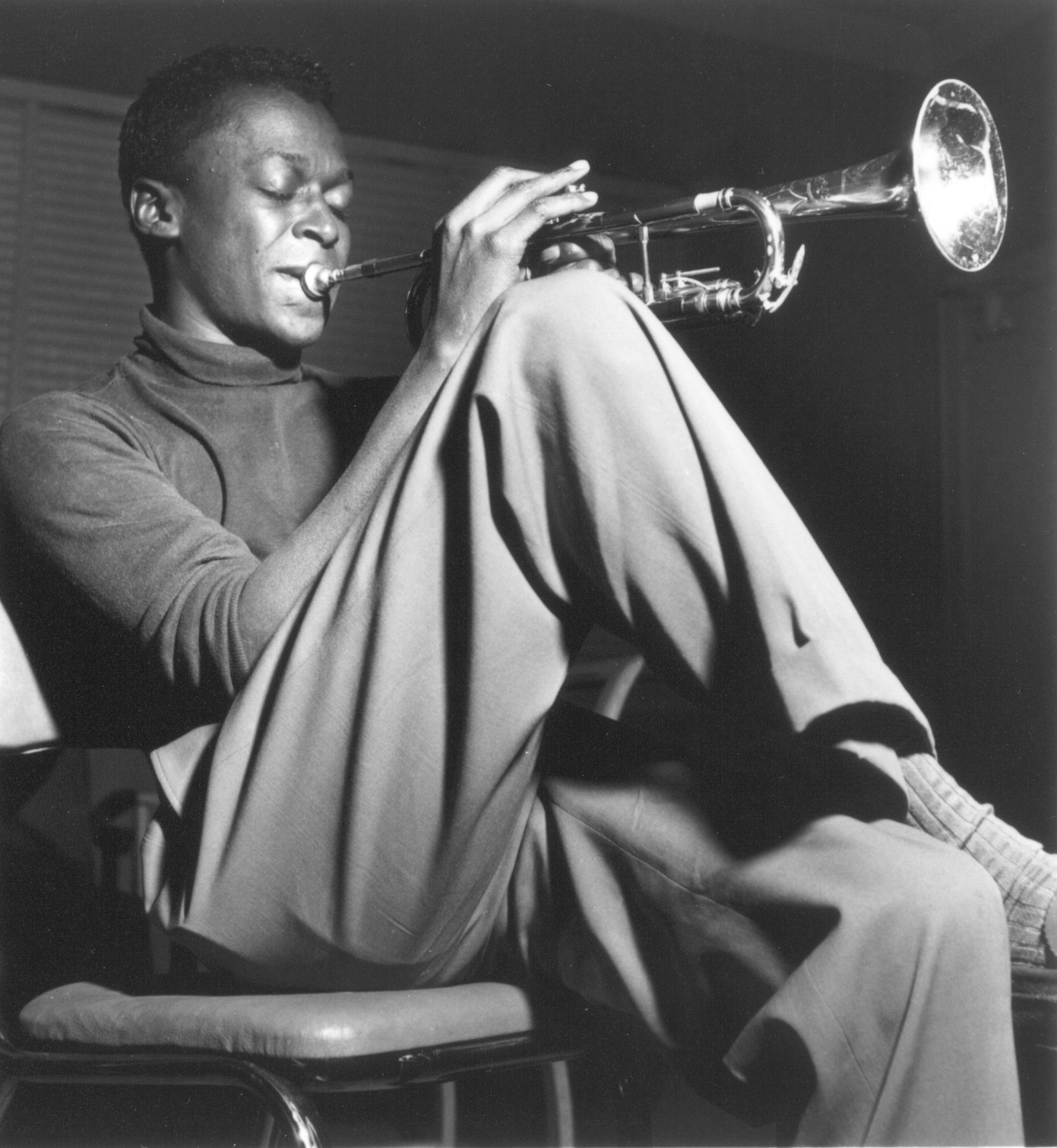
On the occasion of the 90th anniversary of the birth of the legendary Miles Dewey Davis, here’s my up close & personal moment. Every journalist who had the unique experience of interviewing Miles has a story about that encounter, so here’s mine. Its fall of 1974 and the electric Miles, with Pete Cosey and Reggie Lucas on guitars, Sonny Fortune on saxophone, Michael Henderson on bass, Al Foster on drums, Mtume on hand drums, and even a third guitarist, young Dominique Gaumont, flown in for what was apparently a week’s tryout, is holding court for a week at the old Smiling Dog Saloon in Cleveland. My good friend and fellow journalist Robert Fleming (scroll down for an interview on his new book project) and I simply must interview Miles! We spend one revealing evening at the Dog sizing things up. On the second evening we sense an opening and, hats in hand, make the big request.
Robert Flwming Robert Fleming

We’re told to show up at a certain hotel on Euclid Avenue at an appointed time the next Saturday afternoon. When we arrive and politely knock on the door we’re greeted by Miles valet at the time, a gentleman who simply went by the name Finney, who ushers us in for a sit-down. Cassette recorders in hand we sit down in what was obviously an adjoining room or suite from the Master’s abode. Finney slips away to inform Miles that we had arrived for our interview appointment. And we sit…

And we sit… at one point the door to the adjoining room opens just a crack and we can spot a shadowy figure in the next room: the Master in his bathrobe! And we sit… one hour passes, a second hour passes… still no sign of progress. By this point the door has opened just a bit wider and we can intermittently spot what is now clearly Miles passing across the open doorway in the midst of some task or other, no words yet exchanged. A third hour passes and we’re stuck with a Saturday afternoon, late Fall NFL tilt on television; this being 1974 and the days of the Steel Curtain dynasty, naturally its the Steelers – erstwhile tormenters of our hometown Browns – on the tube. Paying partial attention to the television, but much more to the occasional passing of that dark figure in the adjoining room past the doorway and our field of vision for just a fleeting moment.

And we sit… That third hour clocked and, young guys that we are, we’ve grown impatient and have reluctantly decided to give up the ghost and try later. We informed Finney that we’d come back to the club that evening and see if we could set something up for either that night at the Dog, or the following Sunday afternoon at the hotel. We ease up out of our seats ever so deliberately, hoping that our movements might spark some recognition from that shadowy figure in the adjoining room. Approaching the exit door I reach for the doorknob and suddenly, from the next room, comes that familiar raspy voice… “What ya’ll wanna talk about?”

Had our luck suddenly changed? Indeed it had, clicking on Play/Rec on our trusty cassette recorders – we dare not miss even one pearl of Milesian wisdom – we sit down in the company of the Master. Once seated, for the next three hours(!!) Miles regales us on myriad topics, from why he was currently going without keyboard or piano in his band (“I don’t need ’em…”) – including a few pearls on some of his faves – Herbie, Chick, George Duke… – to the then current state of trumpet playing (his three faves at the time – Woody Shaw, Don Cherry, Lester Bowie… with a bit of obvious contempt for Freddie Hubbard) – to his recording exploits (at the time telling us he had what he estimated as audio footage in the can enough for “…about 80 albums…”, a fact so far substantiated by Columbia’s ongoing policy of cranking out endless unreleased Miles recordings), to a treatise on boxing, to… Needless to say we were mesmerized!

A post-script: Remember, I said this was 1974, at a time when I was just a year out of undergrad years and still quite green as a writer. Well, befitting those youthful days, the unfortunate aspect of this adventure – which both Robert and I later published on our own in separate outlets – I came to that interview armed with one of the world’s cheapest blank cassette brands. Needless to say, after all these years that precious tape is barely – if at all – audible, and knowing Miles legendary whispery voice, you can imagine what that sounds like! So if you know any good cassette restoration services… hit me back!

Posted in General Discussion | 1 Comment

Rahsaan Roland Kirk documentary

Rahsaan1
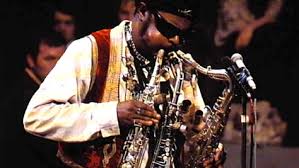
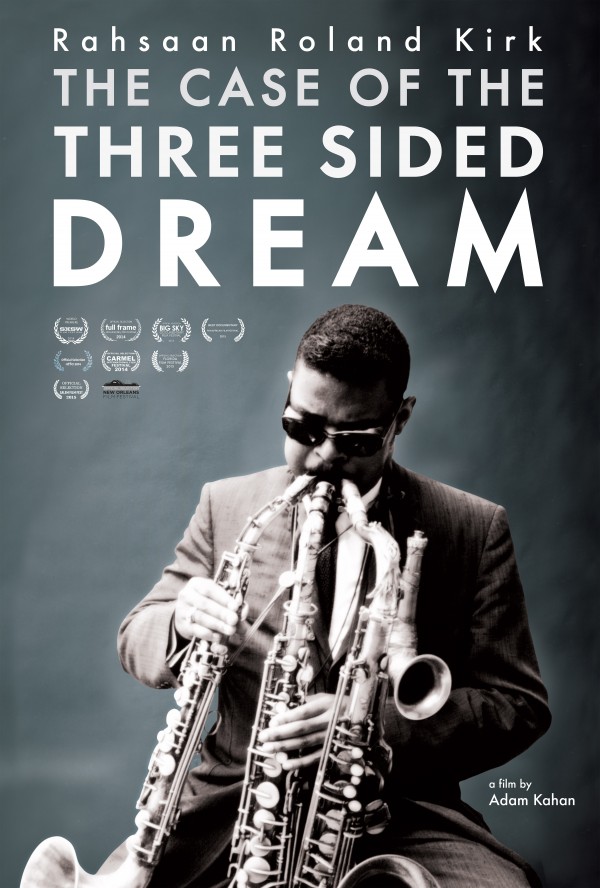
Rahsaan Roland Kirk is one of the most singular, thoroughly unique musicians – and characters – in the annals of 20th century music. His story stands in vivid relief as one of triumph over tragedy, laced with enormous wells of humor and pathos. Filmmaker Adam Kahan has produced a remarkable documentary on Kirk, “The Case of the Three-Sided Dream” and I was fortunate to catch a screening last spring during the DC Film Festival. “The Case of the Three-Sided Dream” is slated to be released on May 31, and I’ll let Adam tell you more about that and his motivation for chronicling this one-of-a-kind figure.

We are about to make the film available commercially through Vimeo on Demand (streaming and download, May 1), itunes (streaming and download, May 31) and on DVD through Amazon in the fall. If you can mention that, that would be great. Here is a link to Vimeo-

What motivated you to produce a documentary on Rahsaan Roland Kirk?
First and foremost, Rahsaan spoke to me on an emotional level.

I knew nothing about jazz (liked music, but had a pretty limited view – weaned on classic rock, moved on to punk rock, didn’t know much more). I knew I wanted to get into jazz, so I decided to pick up a few records at a garage sale (this was in San Francisco, 1989). I picked up a Louis Armstrong record, one by Count Basie, and The Best of Rahsaan Roland Kirk on Atlantic records. The record just had a head shot of him on the cover, no visuals cuing the three horns or anything else. I was in for a surprise… I still don’t think I’ve listened to those other two records… I ended up playing that Rahsaan record until the needle wore out the grooves. I had just broken up with my girlfriend, had moved out, and was living alone in a dismal apartment on the bad side of town. I just kept playing that record, and I remember specifically – Lady’s Blues, which was a Rahsaan with strings arrangement, with him on the flute. In a way, he got me through a rough time. And I was hooked.

His music is so emotional, really comes from the guts and hits you in that same place. Then on top of that, he has this super-human, virtuosic ability as a player. Then, on top of that – when I started reading about his life story, and all the obstacles he faced, and overcame, well that’s when I decided to make the film. He is so rich on so many levels – musically, visually, life story… Just so far beyond. A film on Rahsaan seemed not only like a no-brainer, but a MUST.

I am still trying to get enough momentum up to do a bio-pic on Rahsaan and do have a script (my momentum isn’t the problem actually, it is the need for an executive producer and $$). That is a conversation I’d still like to have with someone… As I am sure you know, his story is just so rich, there is so much material there. It’s a field day for a filmmaker/writer/producer.

How long did it take for this documentary project to be completed?
This project took a long time… It’s a little tricky to say. I actually started in 1999 when I moved back to New York form France. I was talking about Rahsaan to my friend Reed Anderson, and saying how someone should make a film on him, and then my friend says – YOU should make a film on him. So I opened a phone book (remember those?!) and found the phone number for Joel Dorn -the legendary Atlantic Records producer and Rahsaan’s partner in crime for so many years. (Joel’s liner notes were also a huge inspiration for me to do this film.) Joel was a great guy and very open and into the project. We did some interviews. He introduced me to Dorthaan. He introduced me to Steve Turre. John Kruth was just finishing his book on Rahsaan at the time and he was gracious enough to share all of his Rahsaan contacts with me, so I got to Ron Burton, Walter Perkins, Hilton Ruiz, and then even [first wife] Edith Kirk and of course [son] Rory Kirk, and so many more. It took me about 5 years to get a pretty much finished version of the film done. But then it just sat on the shelf, largely because I could not get funding to license all of the music and archival material. Years passed (8 to be precise) and I picked it back up in 2012 and decided I had to push it through to finish. But after all that time, the old interviews looked really dated and the production quality was not good at all. They were really unacceptable from a visual quality standpoint, and I think that is why the film in its original version did not gain enough traction. So I decided to remake the film entirely. I re-shot all the interviews, but the problem was – some of the people had passed away, notably – Joel Dorn, Edith Kirk, Hilton Ruiz, Trudy Pitts, Frank Foster Walter Perkins and Bruce Woody. So these people are not in the film! It was a tough choice, but again, I felt (and still feel) that the film was not being taken seriously because of the low-quality of these interviews, so I had to take them out. I re-shot with all who were still around (Dorthaan, Rory, Steve Turre, Ron Burton…) and the film started to have “legs” as they say. I finished it in 2014. It took me two years to remake it (of course then I knew exactly what the story was, what clips I wanted to use, etc.) I should also mention that we will include Joel in the DVD extras.

What was your process for putting this film together, from start to finish?
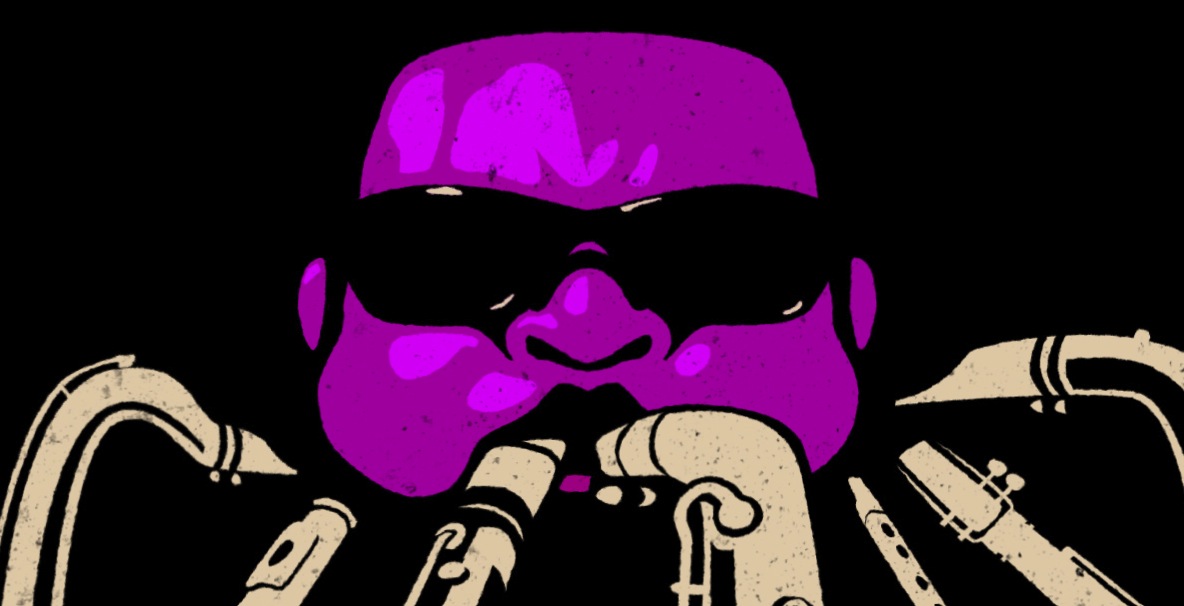
It really started with finding and engaging all of the people from Rahsaan’s world, starting with Joel and then all of the others. Simultaneously I had to unearth the archival footage of him. Now, on the internet, it is pretty easy to find stuff. But when I started (again – ’99), it wasn’t so easy. So every new piece of footage was a jewel. I also found some stuff that is still not on the internet and I don’t think will ever be – it’s only in my film! Some really rare stuff like – well for one – home movies that Dorthaan Kirk gave me, also a post-stroke performance on Ken Kesey’s farm in 1977, and the biggie – his performance on the Ed Sullivan show with an all star band… (you’ll have to see the film to find out who… though I can tell you – one of the guys in the clip starts with a Charles and ends with a Mingus… but there are other giants with him on that date too…) Then it became about putting the puzzle together. Also, I had some audio recordings of Rahsaan talking on stage I wanted to use (because his stage persona was such a big part of what he did). But I didn’t know what to do for these segments for video, for what we would actually see in the film while we hear Rahsaan talking. The obvious would have been (like most documentaries) to do some slow pans into still pictures of Rahsaan, a la Ken Burns, or every other filmmaker. But because Rahsaan was anything but obvious, because he would never do the conventional, or what is expected, or what was easy, I wanted the film to take the same approach. So panning in to photos was out of the question. After much thought and many unsuccessful ideas/tries, I found a great animator/artist, (named Mans Swanberg) who really “got” Rahsaan. So we have these wonderful cosmic animated passages in the film that he created (one reviewer describes them as Fat Albert meets Yellow Submarine…) The rest was a lot of editing, massaging… Above all – I wanted to show Rahsaan in the film. So we include long passages of music and of him talking. After all, he is the star of the show.
Rahsaan film

What new facets did you discover about Rahsaan as you were researching for this project?
I read a lot about Rahsaan. All the liner notes, the book by John Kruth, another book by a French writer named Guy Cosson, and… there is a guy name George Bonifacio… Joel Dorn connected me to him in the early goings. George is the self-appointed (I believe) archivist for an ambitious collection of Rahsaan stuff, so to speak – newspaper clippings, dates, photos, recordings… He has a dense pile of articles on Rahsaan that he made available to me. There are so many great stories about Rahsaan that I discovered, and just could not get in the film unfortunately. Things like – Rahsaan driving a car (yes he was blind and drove a car), getting arrested for hijacking a plane (no he didn’t do that, but was arrested as a suspect because someone thought he as going to), Rahsaan breathing under water, and through his ears, his anger and outrage about the way the musicians and his music (Jazz, what he called – Black Classical Music) were treated in this country. So many things… the practical joker side of him (he had one of those hand buzzers that would shock you when you shook hands with him), and all the deep and sincere love that his fellow musicians, family and friends had for him. They really loved him. After making this film, I also realized that, at the very core of his being, this man was a pure Blues musician.

Given what you learned about him throughout this process, did your perception of Rahsaan Roland Kirk and his impact change at all from start to finish?
My perception grew deeper, because Rahsaan was so very deep. And my appreciation grew deeper. Impact is a tough one. He definitely had an impact on what Joel Dorn called “a small core of lunatics”, but I still think he is largely under appreciated, and not known nearly as widely as he really should be. Knowledge of him and his legacy is always growing. Is it enough? I don’t think so. I still think he has not gotten his “just due” so to speak. Most or all of the people in the film agree. His friend Mark Davis told me – “part of my image of fairness in the world, was that Rahsaan was going to get the recognition he so deserved… [and when that did not happen]… it was a message that – life sucks and it doesn’t matter what you do, who you are…” Mark is not necessarily a pessimistic guy, he is in fact a beautiful human being, but he, like most of the people from the Rahsaan world, and certainly Rahsaan himself, were really perplexed and deeply bothered by the fact that Rahsaan did not achieve wider acclaim. Someone once mentioned Rahsaan and Buddy Rich to Edith Kirk in the same breath, and she responded – “Oh Buddy Rich, we can beat him any day!” I think she was right! And then I think of all the recognition for some of the jazz giants like Miles, Trane, Monk, Duke Ellington… these guys are “A list” jazzers for sure. And their names are widely known outside of jazz. Yes – they deserve to be at the top of the pile by all means, but most of us (and now I’m talking about those in the Rahsaan world, the small core of lunatics who Joel also described as “a box of broken cookies”), we feel that Rahsaan should be there too. And he is not.

Ultimately what impressions are you striving to convey to those who experience The Case of the Three-Sided Dream?
This is a guy not to be missed. Don’t fall asleep on this guy. He is a beautiful, spiritual, unique individual with a one of a kind legacy. He is someone you want to check out.

Rahsaan RK animated still

Posted in General Discussion | Leave a comment

Mary Lou would’ve been proud

Mary Lou Williams
This year’s annual Mary Lou Williams Festival at the Kennedy Center must have been a thing of great pride for the matriarch beaming down from her heavenly position. Friday evening’s performance was dedicated to the marvelous production A Conversation with Mary Lou Williams. Directed by award-winning actress Epatha Merkerson (described that evening as one of television’s longest-running actors), and written by the distinguished Columbia University Professor Farah Jasmine Griffin, the production bore a similar one-towering-figure flavor to the long-running Lady Day at Emerson’s Bar and Grill, its legs are that sturdy! The setting was spare and beautifully tasteful – Geri Allen‘s sumptuous trio, with Kenny Davis bulwark bass excelling all evening, young Kassa Overall on drums, and the always-striking vocalist Carmen Lundy, magnificently clad in a black gown – that was it, no further props necessary for that level of artistry.

Geri Allen
Carmen Lundy
These two figurative Mary Lou’s granddaughters did the great lady proud, superbly bringing enormous meaning to the various transitions in MLW’s life, from jobbing musician, to ace arranger, to mentor to the greats (from Dizzy Gillespie and Thelonious Monk to Randy Weston), to Duke University professor, to Catholic spiritual mother; certainly a life well-lived! MLW lived through Carmen’s rich storytelling and song lyrics, Geri inhabiting her pianistic oeuvre, and still projections of various phases of the maestro’s life as backdrop. In this its 21st edition, the Mary Lou Williams Jazz Festival (with Dee Dee Bridgewater as its affable, ever-humorous host) came alive with the spirit of MLW through this production as none other of its exceptional predecessor festivals; Mary Lou Williams in full rhythm & tune.
Allison Miller
Saturday evening’s session featured the customary 3-band billing, opening with drummer Allison Miller‘s brilliant Boom Tic Boom ensemble, featuring crafty cornetist Kirk Knuffke, the adventurous pianist Myra Melford, violinist Jenny Scheinman, bassist Todd Sickafoose, and clarinetist Ben Goldberg, whose bottom sonorities on contrabass clarinet were a revelation. Coming at the end of their monthlong tour, Boom Tic Boom was a finely balanced unit, blessed with a broad harmonic pallet as they wound their way through the band’s deeply satisfying arrangements.
Jane Bunnett & Maqueque
The drum was deep in the house on this evening as Boom Tic Boom’s set was followed by saxophonist-flutist Jane Bunnett‘s womanly, Afro-Cuban ensemble Maqueque, whose bata drumming conguero (and vocalist) was a riveting figure all set, as was Jane’s rambunctious young trap drummer Ms. Garcia. The Toronto-based Ms. Bunnett, whose immersion in Afro-Cuban music and culture has few precedents among North Americans, has assembled the all-woman Maqueque not as gimmick, but as a real contributor to the contemporary scene, even breathing fresh life into the Bill Withers classic “Ain’t No Sunshine”.

The spirit of the drum closed the evening as well, with Terri Lyne Carrington‘s Mosaic Project, this time with the estimable Oleta Adams‘ vocal-piano cameo. That TLC has become one of the more perceptive bandleaders in this business goes without saying, a skill set on vivid display as she maneuvered her Mosaic vehicle through through the lush boulevards of this set. As for the evening’s featured singer, Suzan nailed it afterwards, declaring that Oleta Adams could read the phone book and make it sound biblical, she’s so thoroughly immersed in the gospel spirit. Tia Fuller and Ingrid Jensen provided Carrington an adept horn section to be sure. This was certainly a memorable Mary Lou Williams Jazz Festival, befitting its 21st running.

Posted in General Discussion | Leave a comment

Creative Originality, Controlled Surprise… Free Jazz

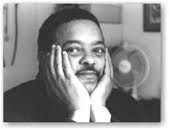
Robert Fleming
My friendship with author-educator Robert Fleming dates back over 40 years. We both grew up in an area of the East side of Cleveland known as Mt. Pleasant and as budding writers we bonded over our mutual passion for jazz music. As 20-somethings we spent many hours immersing ourselves in the latest jazz releases in his 3rd floor walk-up; his thirst for and knowledge of the music a constant source of inspiration. Equally inspiring was our mutual interest in writing, and in my case that was particularly writing about jazz music. One afternoon in 1974 we spent an unforgettable afternoon picking Miles Davis‘ brain for interview insights from the master. Miles was playing a weeklong stint at the former Cleveland jazz haunt known as the Smiling Dog Saloon, learning ground for not only the two of us as jazz aficionados and jazz writers, but also for our Cleveland contemporaries drummer Greg Bandy (long known as “The Mayor of Harlem” and Joe Lovano. (This was the Miles unit featuring Sonny Fortune, Mtume, Michael Henderson, Al Foster, Reggie Lucas, and he had just flown in a young French guitarist named Dominique Gaumont for an acid test tryout.) The Dog was the site of endless jazz discovery for both of us, from the earliest versions of Weather Report and Return to Forever, to my initial experiences with Charles Mingus, Miles, and many others, including an incredible 3-week residency by the Sun Ra Arkestra!

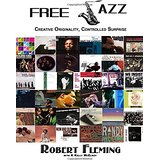
Robert made his exit from Cleveland years ahead of me, encamping in uptown New York in the Morningside Heights neighborhood of Columbia University. We’ve kept up through the years, and have both continued to write traveling down admittedly divergent paths; still sharing the common denominator of jazz music. Recently Robert added the jazz listening guide “Free Jazz (Creative Originality, Controlled Surprise)” to his impressive list of book contributions. Obviously some questions were in order, but first some bio insights on my old friend & colleague.

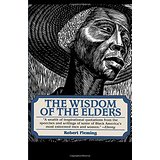
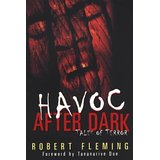
Robert Fleming, a freelance journalist and editor, formerly worked as a writer-consultant with ex-CBS News president Fred Friendly, boss of the legendary Edward R. Morrow for the PBS TV show, Media and Society, after graduating from Columbia University’s Journalism school. Employed throughout the 1980s and into the 1990s, he served as a reporter for the New York Daily News, earning several honors including a New York Press Club award and a Revson Fellowship in 1990. He worked as a freelance editor and book doctor at Random House’s imprint, One World. He taught courses in film and journalism at Manhattan’s prestigious The New School. His articles and reviews have appeared in many publications such as The New York Times, The Washington Post, U.S. News and World Report, Essence, Black Enterprise, Omni, Black Issues Book Review, Quarterly Black Review, and Publishers Weekly. He has written several non-fiction books such as Rescuing A Neighborhood, The Success of Caroline Jones Inc., The Wisdom of the Elders, and The African-American Writer’s Handbook. His fiction consists of such works as Fever In The Blood, Havoc After Dark: Tales of Terror, Gift of Faith, Gift of Truth, and Gift of Revelation. He edited three anthologies, After Hours, Intimacy, and the Muntu Poets Anthology Volume 2 – 47 Years Later with Russell Atkins

Anything you want to add of a biographical nature?
There are several entries that should be included: the three-book series of the Gift novels; the in-the-works book on Project Innocence; a short fiction collection, and an upcoming memoir, “Driving In The Wrong Lane,” which will include my early New York days, my news magazine job with Nikki Giovanni and Ida Lewis, among others.

Robert Fleming Free Jazz
Of all your efforts as an author, would it be correct to characterize this as your first total jazz effort, and as a true buyer’s guide for the genre?
Yes, this is my first jazz effort. Currently, I’m talking to a Scottish publisher to publish a collection of author and musician interviews from 1972-2013. These are the guys who published my blues anthology, “Too Much Boogie” years ago. As a buyer’s guide for free jazz, I only wish I had something like this when I was coming up. I used to spend my paper route money for albums by Bird, Bud Powell, Monk, Mingus, Miles and Fats Navarro. Some times it was guess work, for I didn’t know the personnel. I’d buy them at Giant Tiger or Woolworth’s back in Cleveland. Some of these albums I still have from back during that time.

What was your original motivation for contributing this book?
It was very important to feature the original artwork from the albums. There was so much history there. After the essay which leads off the book, those images are critical to the enjoyment of the music. Like I said earlier, a buyer’s guide like this would have been a much treasured gift to me as a young jazz fan. In fact, we’re preparing a similar guide of reggae, complete with a long essay, interviews from the legends, and artwork of the quality that is featured in the free jazz book. Thank you, Brother K. Kelly McElroy, who is my partner on these jazz and reggae projects. That will be out at the end of the year.

There are some who might tend to split hairs with some of the selections you’ve made as not necessarily falling under the category of various academic definitions of free or avant garde jazz. How would you respond to such a criticism?
I know haters will hate. Just joking. I remember the late sax man Julius Hemphill saying to me one night that there is no difference between Sun Ra and Aretha Franklin. I never forgot that. That was the same thing the pianist Ahmad Jamal said to me when I did an magazine profile on him. He stressed this Black Classical Music is a part of a musical and cultural continuum, one continuous organic process. I heard this in the music of Mingus, Art Ensemble of Chicago, World Saxophone Quartet, even the electric fusion of Miles the Sorcerer. I tried to do honor to this aspect in this book.

What was your process for making the record selections to highlight in this volume?
I didn’t take the selections lightly. I anguished over the entries. First, I made long lists of the music under the categories, often playing them repeatedly to see if they would fit under the labels. Choosing the music was very, very, very difficult.

Ultimately what do you sense will be the benefit to reader’s exploring Free Jazz?
Free Jazz, as I wrote in the introduction, is the most challenging, demanding,but ultimately rewarding of the most original of American music, jazz. So many choices, so many possibilities, so many options. All I wanted to do with this guide was to make the buyer’s choices easier and more significant. In this current economy, every dollar counts. I wanted to give the buyer more bang for their buck.

Given your career as a professor, if you were to teach a course on Free Jazz, what elements would you emphasize?
When I taught film at The New School years ago, it was the aesthetics of the art form that held me in a trance. Similarly, the history of our music still remains fascinating to me. I can’t get enough of the intriguing characters who pioneered this music, often at great personal sacrifice. As you know, it was the personalities that captured my attention when I start writing on jazz back in the 1970s. Also, there is a sense of freedom, adventure, and excitement in the music, keeping up the traditions while venturing out into new explorations. Honestly, I have trouble keeping abreast of the young innovators and their sounds. That’s why Independent Ear is so special.

If stranded on a desert island, which five of the recordings featured in Free Jazz would you choose?
If I was stranded on Gilligan’s Island or some such thing, I’d chose the following: Free Jazz – Ornette Coleman, Out To Lunch – Eric Dolphy, Ascension – John Coltrane, Point of Departure – Andrew Hill, and Tanjah – Randy Weston. Really quality listening.

HERE ARE TWO OTHER ROBERT FLEMING LITERARY CONTRIBUTIONS:
Robert Fleming book

Robert Fleming book2

Posted in General Discussion | 1 Comment